Ice Chewing: A Dangerous Habit for Your Teeth

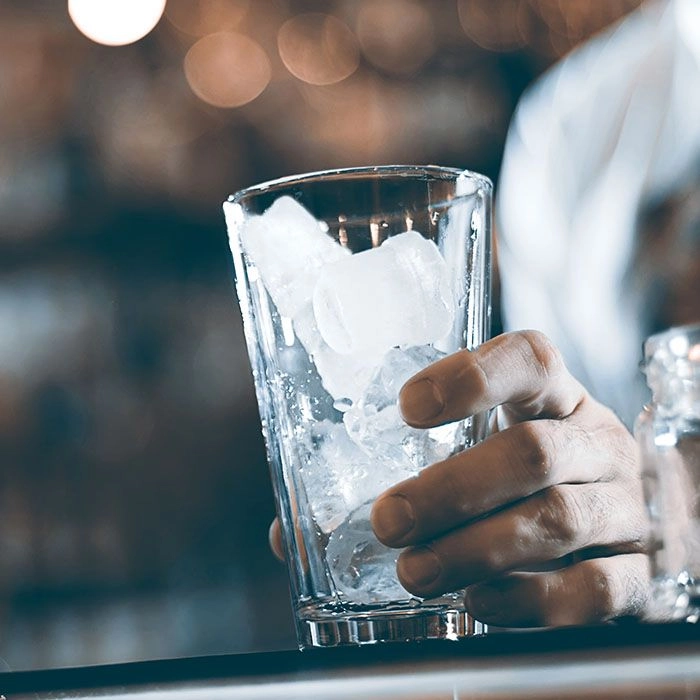
Chewing ice might seem like a harmless way to cool down, especially during warmer months, but your teeth may not agree. Ice is sugar-free and made of water, so many patients assume it is safe. The problem is not what ice contains. The problem is how hard it is.
Crunching on ice places unnecessary pressure on your teeth, enamel, fillings, crowns, and other dental restorations. Over time, this habit can contribute to chips, cracks, tooth sensitivity, jaw discomfort, and dental emergencies.
For some people, ice chewing is simply a habit. For others, a strong craving to chew ice may be connected to an underlying health issue. Understanding the difference can help protect both your smile and your overall health.
Why Is Chewing Ice Bad for Your Teeth?
Tooth enamel is the hard outer layer that protects your teeth. While enamel is strong, it is not indestructible. Biting down on hard substances like ice can weaken enamel and make teeth more vulnerable to damage.
According to the American Dental Association, chewing on hard substances such as ice can leave teeth vulnerable to dental emergencies and enamel damage. The ADA recommends breaking the habit and enjoying water in liquid form instead.
Dental Problems Caused by Ice Chewing
Frequent ice chewing may increase the risk of several dental concerns, including:
- Chipped teeth
- Cracked or fractured teeth
- Worn enamel
- Increased tooth sensitivity
- Damaged fillings
- Loose or broken crowns
- Jaw soreness from repeated chewing
- Greater risk of needing restorative dental treatment
Cleveland Clinic notes that chronic ice chewing can damage enamel, chip or break fillings and crowns, and lead to cracked or fractured teeth.
Why Do Some People Crave Ice?
An occasional crunch on ice may be a habit, but a persistent craving to chew ice can sometimes be a sign of something more. The medical term for compulsively chewing ice is pagophagia, which is a form of pica.
Pica involves craving or chewing substances that have little or no nutritional value. Mayo Clinic explains that pagophagia is often associated with iron deficiency, with or without anemia, though the exact reason is not always clear. Less commonly, it may be connected to other nutritional concerns or emotional factors such as stress or obsessive-compulsive disorder.
Could Ice Chewing Be Related to Iron Deficiency?
Yes, it can be. A strong or frequent urge to chew ice may be linked to iron deficiency anemia. This does not mean everyone who chews ice has low iron, but it is a sign worth paying attention to, especially if the craving is new, intense, or difficult to stop.
Possible signs of iron deficiency can include:
- Fatigue or weakness
- Pale skin
- Shortness of breath
- Dizziness or lightheadedness
- Cold hands and feet
- Brittle nails
- Unusual cravings, including ice
If you are regularly craving ice, it may be helpful to speak with your physician. A simple blood test can help determine whether iron deficiency or anemia may be involved.
What Should You Do Instead of Chewing Ice?
If chewing ice has become part of your routine, try replacing the habit with safer alternatives. Small changes can reduce the risk of tooth damage while still helping you feel refreshed.
- Drink cold water instead of chewing the ice
- Use a straw to reduce temptation
- Choose chilled fruit for a cold snack
- Let ice melt in your mouth instead of biting it
- Switch to crushed ice only if you can avoid chewing it
- Chew sugar-free gum if the habit is related to stress or boredom
When Should You See a Dentist?
You should schedule a dental visit if you chew ice frequently or notice any signs of damage. Even small chips or cracks can worsen over time if left untreated.
Contact your dentist if you experience:
- Tooth sensitivity to cold, heat, or pressure
- Pain when biting or chewing
- A rough or sharp edge on a tooth
- A cracked tooth
- A loose filling or crown
- Jaw soreness or headaches related to chewing
Your dentist can examine your teeth, check existing restorations, and recommend treatment if damage has already occurred.
How Your Dentist Can Help
If ice chewing has affected your teeth, your dentist may recommend treatment based on the extent of the damage. Minor chips may be repaired with bonding, while more significant cracks may require a crown or other restorative care.
Your dental team can also help you identify patterns behind the habit. For example, if you chew ice because of dry mouth, stress, or sensitivity, addressing the underlying cause may make it easier to stop.
Protect Your Smile by Breaking the Ice-Chewing Habit
Ice chewing may seem harmless, but it can put your teeth at risk for enamel wear, cracks, chips, sensitivity, and damaged dental work. If the craving feels constant or difficult to control, it may also be a sign that you should speak with a medical provider about possible iron deficiency or another underlying concern.
Your teeth are designed to chew food, not ice cubes. Choosing safer alternatives today can help you avoid painful and costly dental problems in the future.